October 10, 2026 · 6 min read · GeniusCook Journal
Blue Zone Dinner Recipes for Anti-Aging: Nourishing Evening Meals Inspired by Longevity Hotspots
Harness the time-tested plant-forward eating habits of the world's longest-living populations with intelligent dinner ideas designed for cellular vitality and culinary warmth.
The Science of Evening Longevity Nutrition
The regions known as the Blue Zones—such as Ikaria in Greece, Okinawa in Japan, and the Nicoya Peninsula in Costa Rica—share a profound commonality in how they approach the final meal of the day. Dinners in these regions are characteristically light, plant-rich, and consumed early in the evening. This metabolic timing supports nocturnal cellular repair, minimizing oxidative stress and optimizing autophagy while you sleep. Rather than overwhelming the digestive system with heavy, refined foods, these evening meals prioritize slow-digesting fibers, polyphenols, and micronutrients that defend against biological aging.
When constructing blue zone dinner recipes for anti aging, the goal is not strict restriction, but rather structural density. Legumes, heritage grains, tubers, and dark leafy greens supply the complex matrix of minerals and anti-inflammatory compounds needed to combat cellular senescence. By shifting the bulk of daily caloric intake toward earlier hours and keeping evening preparation focused on whole, botanical ingredients, you create an optimal environment for systemic repair and metabolic flexibility.
Nicoya Peninsula Black Bean and Squash Ragout
In the Nicoya Peninsula of Costa Rica, dinner often centers on the classic combination of black beans, winter squash, and whole maize. Black beans are loaded with anthocyanins—the same potent antioxidants found in dark berries—alongside soluble fiber that stabilizes blood glucose through the night. When simmered gently with sweet squash, cumin, and cilantro, this combination yields a satisfying, nutrient-dense main course that promotes gut microbiome diversity and cardiovascular health.
To prepare this longevity dish at home, slow-cook soaked black beans with sweet onions, garlic, and cubed calabaza or butternut squash. Enhance the broth with warm spices like cumin and oregano, finishing with a drizzle of cold-pressed extra virgin olive oil before serving. The natural starch from the squash creates a velvet texture without relying on dairy or refined thickeners, resulting in a comforting meal that honors ancient culinary heritage while nourishing cellular structures.
Ikarian Wild Herb and Chickpea Mediterranean Braise
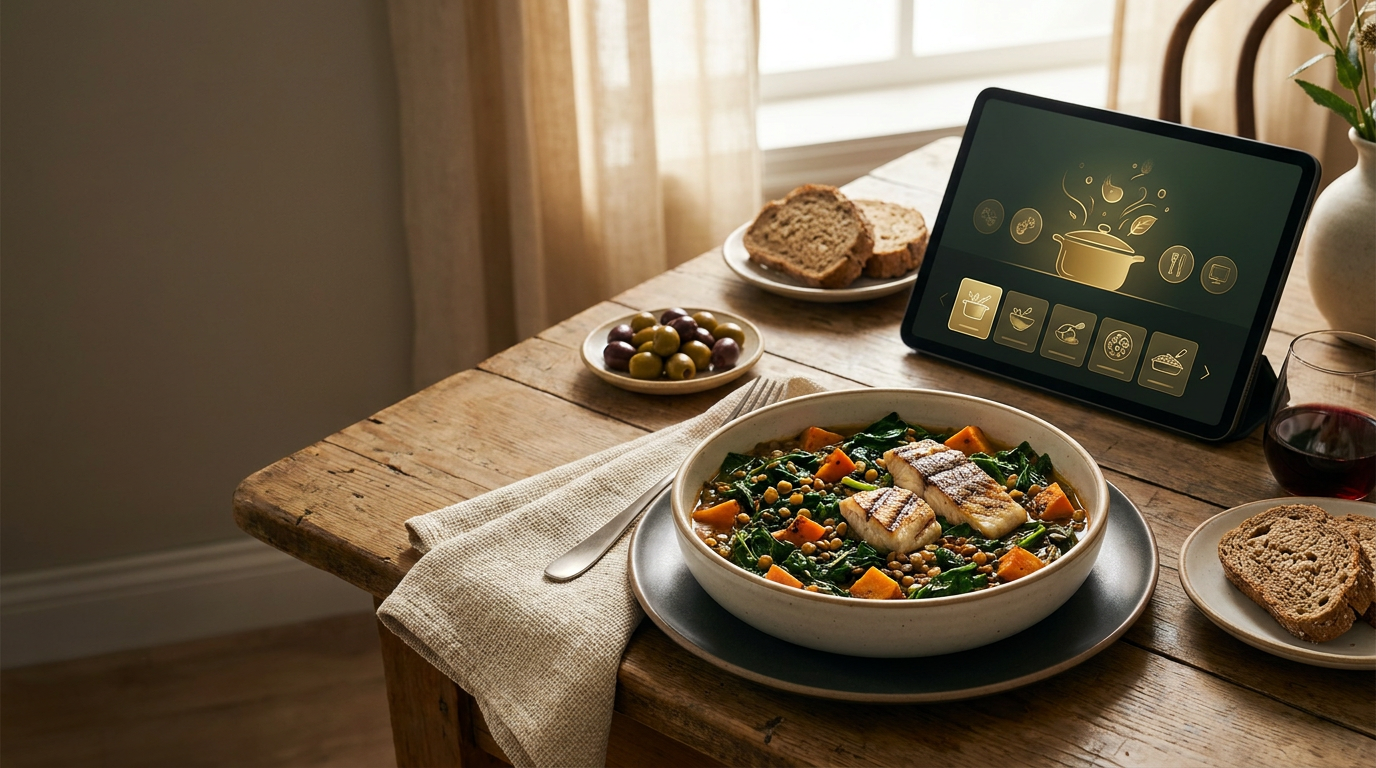
The Greek island of Ikaria is celebrated for its high concentration of centenarians who regularly consume wild greens, extra virgin olive oil, and legumes. A staple Ikarian dinner feature includes slow-braised chickpeas combined with bitter greens like dandelion, kale, or Swiss chard. Bitter greens stimulate liver enzyme production and endogenous antioxidant pathways, while chickpeas provide sustained amino acids necessary for tissue maintenance without overloading muscle synthesis mechanisms.
Preparing an Ikarian braise involves sweated shallots and garlic in rich olive oil, followed by cooked chickpeas, ripe tomatoes, and fresh herbs like rosemary and thyme. Stewing the greens gently in this aromatic liquid mellows their sharpness while infusing the broth with bioavailable minerals. Serving this stew warm alongside a slice of whole-grain sourdough provides a complete, heart-healthy meal rich in vascular-protective compounds.
Okinawan Steamed Tofu and Anthocyanin-Rich Sweet Potato
Traditional Okinawan dinners historically emphasized the purple sweet potato, known as beni imo, alongside fermented soy products like firm tofu. The vibrant purple hue of the Okinawan sweet potato stems from high concentrations of anthocyanins, which offer powerful protection against oxidative damage in blood vessels and brain tissue. Paired with non-GMO steamed tofu, this meal provides clean plant protein and essential minerals like calcium and magnesium.
Build this Okinawan-inspired dish by lightly steaming sweet potato rounds until tender, then serving them alongside pan-seared or steamed tofu bathed in a light dashi or mushroom broth. Add sliced bitter melon or bok choy for a green element, finishing with toasted sesame seeds and grated ginger. The balanced sweetness of the potato combined with the savory umami of the broth delivers a deeply satisfying dinner that aligns naturally with anti-aging biological targets.
Sardinian Barley, Fava Bean, and Fennel Minestrone
In the mountainous interior of Sardinia, Italy, dinner is often a soup constructed from whatever vegetables and legumes are abundant in the garden. Traditional Sardinian minestrone centers around pearl barley, fava beans, wild fennel, and sun-ripened tomatoes. Barley provides beta-glucans, a specific type of soluble fiber proven to lower LDL cholesterol and support microvascular lining health, while fava beans contribute key amino acids and L-dopa precursors.
Creating an authentic Sardinian minestrone requires layering aromatics—celery, carrots, and sweet fennel—in an olive oil base before adding vegetable stock, cooked fava beans, and hulled barley. Simmering the soup slowly allows the grain starches to thicken the broth naturally. Finish each bowl with fresh parsley and a delicate shaving of aged sheep cheese if desired, producing a robust soup that supports long-term digestive vitality and endothelial cellular strength.
Harnessing AI to Customize Longevity Cooking
Adapting traditional Blue Zone principles to a modern lifestyle does not require hours of manual planning or obscure sourcing. GeniusCook utilizes artificial intelligence to analyze your current fridge ingredients and map them against proven longevity meal profiles. By evaluating key parameters like preparation time, regional flavor profiles, and anti-inflammatory ingredient pairings, the app ensures your evening meals maintain biological precision without sacrificing simplicity.
Whether you are managing specific ingredient preferences or simply looking to minimize food waste, AI-driven guidance transforms ordinary home cooking into an evidence-based longevity practice. With interactive step-by-step guidance, real-time nutritional adjustments, and customized meal discovery, bringing authentic Blue Zone dinner recipes for anti aging into your nightly routine becomes an effortless, rewarding ritual.
Longevity is not achieved through short-term dietary extremes, but through the quiet, daily repetition of whole, plant-centered meals enjoyed in calm environments.
GeniusCook Culinary Science Team
Explore Genius Kitchen
Frequently asked questions
What makes a dinner recipe effective for anti-aging?
Anti-aging dinner recipes emphasize nutrient-dense, plant-forward ingredients high in polyphenols, fiber, and healthy fats while keeping glycemic impact low. Early, lighter dinners also support natural circadian rhythms and cellular autophagy during sleep.
Can I adapt Blue Zone recipes if I do not eat legumes daily?
Yes. While legumes are a cornerstone of Blue Zone diets, you can focus on ancient grains, tubers, nuts, seeds, and cruciferous vegetables. GeniusCook AI can easily adjust recipes to match your specific digestional needs while preserving key antioxidant profiles.
How late should I eat a Blue Zone dinner?
Ideally, Blue Zone dinners are consumed at least three hours before sleep. Eating earlier allows metabolic processes to settle, ensuring your body prioritizes overnight cellular repair and hormone balance rather than active digestion.
Are animal proteins excluded from Blue Zone evening meals?
Blue Zone diets are predominantly plant-based, but small amounts of wild-caught fish or occasional pasture-raised eggs are sometimes included. Evening meals typically lean heavily on plant proteins to minimize strain on digestion.
Sources
- Buettner, D., & Skemp, S. (2016). Blue Zones: Lessons for Living Longer From the People Who've Lived the Longest. American Journal of Lifestyle Medicine, 10(5), 318-321.
- Fontana, L., & Partridge, L. (2015). Promoting health and longevity through diet: from model organisms to humans. Cell, 161(1), 106-118.
- Poulain, M., et al. (2004). Identification of a geographic area characterized by extreme longevity in the Sardinia island: the AKEA study. Experimental Gerontology, 39(9), 1423-1429.
Related reading
Global Flavors, Clean Nutrition.
Explore the collection