October 12, 2026 · 5 min read · GeniusCook Journal
High-Protein Longevity Meals for Healthy Aging: Science-Backed Global Recipes
Discover how combining clean plant and lean animal proteins with global culinary traditions supports muscle retention, metabolic resilience, and vital longevity.
The Architecture of Protein and Healthy Aging
Maintaining robust physical health as the decades progress requires a deliberate approach to daily nutrition. Protein serves as the fundamental structural framework for tissue repair, immune resilience, and skeletal muscle retention. As metabolic efficiency naturally evolves with age, prioritizing complete amino acid profiles becomes essential to prevent sarcopenia and sustain functional mobility. Consuming adequate leucine-rich proteins provides the precise biochemical signals required to trigger muscle protein synthesis effectively.
The key to long-term vitality lies in balancing sufficient protein intake with the body's natural cellular renewal processes. Rather than relying on rigid eating patterns, achieving healthy aging involves matching protein consumption with physical activity levels. GeniusCook leverages intelligent nutritional analysis to help you balance these metabolic pathways, ensuring your meals support daily strength without overwhelming your digestion.
Sourcing Clean Proteins from Around the World
Achieving optimal protein intake should never mean compromising on culinary enjoyment. Global food traditions offer an extraordinary variety of clean protein sources that bring dynamic flavors to your table. From Mediterranean pan-seared sea bass paired with white bean purees to Japanese steamed cod accented with fermented red miso, regional cuisines demonstrate that longevity nutrition can be deeply satisfying and diverse.
Integrating diverse plant proteins, such as sprouted lentils, ancient farro, and pumpkin seeds, alongside sustainably sourced seafood delivers vital micronutrients alongside macronutrients. Polyphenols, omega-3 fatty acids, and intact dietary fibers work together with high-quality amino acids to dampen systemic inflammation. Exploring these global ingredients allows you to nourish your body while building a vibrant, enduring relationship with healthy cooking.
Smart Protein Timing and Bioavailability
How you space your protein intake throughout the day significantly impacts how efficiently your body utilizes key nutrients. Consuming a balanced distribution of roughly 25 to 35 grams of protein per main meal optimizes muscle protein synthesis far better than skewing intake toward a heavy evening meal. This steady cadence keeps metabolic rates baseline-stable and helps preserve lean muscle mass across every decade.
Preparation methods also play a critical role in nutrient bioavailability and digestive ease. Gentle cooking techniques—such as poaching wild fish, slow-simmering legumes, or fermenting soy—preserve sensitive fatty acids while breaking down complex plant structures. These mindful culinary practices ensure that your digestive system easily absorbs essential building blocks without causing uncomfortable bloat or systemic strain.
AI-Driven Meal Personalization for Vitality
Personalized nutrition is essential for supporting long-term health, as every individual possesses unique dietary preferences and metabolic requirements. Rigid meal plans often fall short because they fail to adapt to daily routines. GeniusCook utilizes advanced AI to analyze the fresh ingredients already in your kitchen, crafting customized, protein-forward recipes aligned specifically with your longevity goals.
By dynamically tailoring flavor profiles, cooking techniques, and protein ratios to your specific household, our smart app eliminates the friction of daily meal planning. You can seamlessly transform simple whole ingredients into nutrient-dense, restaurant-quality dishes that honor both your health goals and your unique taste preferences, making consistent nutrition effortless and enjoyable every day.
Crafting Balanced Longevity Plates at Home
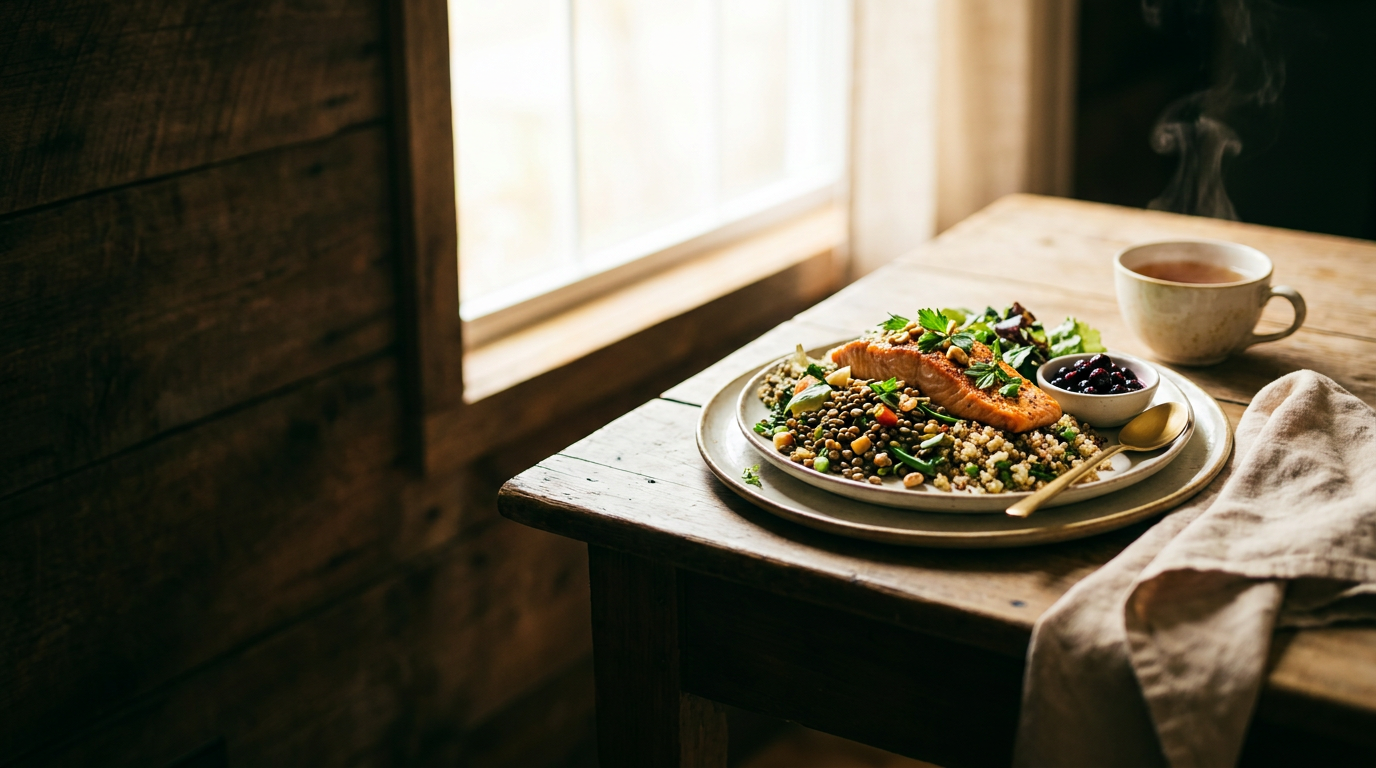
Building a high-protein longevity meal at home is an intuitive process when guided by clear principles of balance. A well-constructed plate combines clean, high-biodiversity protein with colorful complex carbohydrates and unrefined healthy fats. Picture a bowl featuring wild-caught salmon rubbed with za'atar, served over black rice, grilled artichoke hearts, and a cold-pressed extra virgin olive oil drizzle.
Focusing on whole foods and elevated flavor profiles turns daily cooking into an empowering practice of restorative self-care. Utilizing smart kitchen technology allows you to experiment with global spices, aromatic herbs, and dynamic textures while comfortably meeting your daily nutritional targets, paving the way for a vibrant, energetic, and healthy life through thoughtful eating.
Aging well is not about restriction; it is about fueling cellular resilience through intelligent, flavorful nutrition.
Dr. Elena Rostova, Integrative Physiology & Longevity Researcher
Pantry to Plate
Frequently asked questions
Why is high protein important for healthy aging?
As body composition shifts with age, dietary protein requirements increase to prevent muscle loss, support structural repair, maintain metabolic flexibility, and sustain overall functional independence.
Can plant-based meals provide sufficient protein for longevity?
Yes. Combining diverse plant sources like lentils, chickpeas, hemp seeds, and whole grains ensures a complete amino acid profile alongside beneficial fiber and phytonutrients that help reduce inflammation.
How much protein should be consumed in a single longevity meal?
Research generally supports aiming for 25 to 35 grams of high-quality protein per meal to trigger muscle protein synthesis effectively while maintaining gut comfort and cellular balance.
How does GeniusCook help me build longevity-focused meals?
GeniusCook analyzes your available kitchen ingredients and health preferences to automatically generate clean, protein-optimized recipes featuring authentic global flavors and balanced nutrition.
Sources
- Paddon-Jones, D., & Rasmussen, B. B. (2009). Dietary protein recommendations and the prevention of sarcopenia. Current Opinion in Clinical Nutrition and Metabolic Care.
- Longo, V. D., & Anderson, R. M. (2022). Nutrition, longevity, and disease: From molecular mechanisms to interventions. Cell.
- Phillips, S. M., & Martinson, W. (2019). Dietary protein requirements, muscle mass loss, and sarcopenia in older adults. Nutrients.
Related reading
- Blue Zone Dinner Recipes for Anti-Aging: Nourishing Evening Meals Inspired by Longevity Hotspots
- Nutrient Rich Whole Food Dinner Recipes: Elevating Evening Meals for Longevity
- Clean Eating Healthy Dinner Recipes for Two: Master Modern Longevity Dining
- How to Cook Blue Zone Longevity Meals for Lifelong Health
Global Flavors, Clean Nutrition.
Explore the collection